

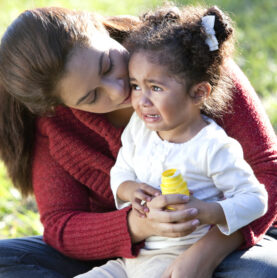
There’s nothing quite like the moment when you have to say goodbye to your toddler – whether it’s at a daycare drop-off, a babysitter’s door, or even just leaving the room. The tears, the clinging, the look on their face as they pout or cry – it can be heartbreaking for them, as well as overwhelming for any parent or caregiver. Separation anxiety in toddlers is one of the most emotional and challenging phases of early childhood, for both children and parents. In fact, it’s a completely normal and healthy sign of your child’s strong attachment to you. It conveys that they feel safe, loved, and connected. However, knowing it’s normal doesn’t always make those daily goodbyes any easier.
In this blog, we’ll walk through what separation anxiety is, why it happens, and how it typically develops in toddlers. Most importantly, you’ll find practical strategies as well as credible sources and information in order to help ease this transition.
What is Separation Anxiety in Toddlers?
Separation anxiety in toddlers is a normal and healthy developmental stage that reflects a strong, secure attachment between a child and their caregiver. While it can be difficult to experience, this reaction is actually a positive sign that your child feels safe and bonded to you. According to UCSF Child Care Health Program, this type of anxiety typically begins to emerge between 6-20 months of age, often peaks around 13-18 months, and gradually fades by about age 3 as children gain confidence and independence. It’s also important to distinguish normal separation anxiety from Separation Anxiety Disorder (SAD), which is much less common. SAD involves anxiety that is excessive, not appropriate for the child’s developmental stage, and persists for at least four weeks or longer, often interfering with daily functioning. Children with SAD may show intense distress, refusal to separate, or ongoing fear beyond the typical age range, according to the University of Rochester Medical Center.
Common Signs of Separation Anxiety in Toddlers
According to Children’s Hospital of Philadelphia, separation anxiety can show up in different ways, and many of these signs become more noticeable when a child’s routine changes – such as starting child care, transitioning to new caregivers, or even after a family trip. While every child is different, the behaviors below are some of the most common and widely recognized by pediatric experts as part of typical development:
Emotional Distress
- Expressing fear that something bad might happen to a parent or loved one while apart
- Worrying excessively about being lost, abandoned, or not reunited
- Repeatedly asking when a parent will return
Behavioral Refusal
- Refusing to go to daycare, preschool, or stay with a babysitter
- Resistance to sleeping alone or insisting on a parent staying nearby
- Avoiding activities that involve separation from a primary caregiver
Physical Symptoms
- Complaints of stomachaches, headaches, or feeling unwell right before separation
- Nausea or other physical discomfort without a clear medical cause
- Symptoms that improve quickly once the parent returns
These signs, while stressful, are typically a normal response to separation and tend to lessen as your child grows more comfortable and confident over time.
How to Help a Child with Separation Anxiety
Helping your toddler through separation anxiety is all about building trust, predictability, and confidence. These simple, consistent strategies can make a big difference over time:
Practice Short, Positive Separations
Try leaving the room for just a minute or two while they stay with a trusted caregiver, then gradually increase the time apart. These brief, low-pressure separations teach your toddler that you can leave and come back without anything bad happening.
Create a Consistent Goodbye Ritual
Create a simple, predictable goodbye ritual like two hugs, a kiss, and a cheerful phrase. Keeping it consistent and brief helps your child know what to expect and makes the transitions smoother.
Always Say Goodbye
It might feel easier to sneak out when your child is distracted, but this can actually increase anxiety and erode trust. A clear, loving goodbye reassures your toddler that even though you’re leaving, you will return.
Be Calm and Confident
Toddlers are incredibly tuned in to your emotions. Keeping your tone calm, your body language relaxed, and your goodbye confident sends the message that everything is going to be okay.
Talk About Your Return in Toddler Terms
Instead of using abstract times like “a few hours,” tie your return to parts of their routine they understand. For example, “I’ll be back after your nap and before snack time.” This makes your absence feel more predictable and less overwhelming.
Acknowledge Their Feelings
Let your child know it’s okay to feel upset. Validating their emotions helps them feel understood while also reinforcing your return.
Keep Your Promises
When you return when you say you will, your toddler learns that separations are temporary and safe. Over time, this reliability is one of the most powerful ways to reduce anxiety.
Separation Anxiety and Child Care: Tips for a Smoother Drop-Off
For many working parents, child care and preschool drop-offs can be the hardest part of the day. This transition is a major milestone for toddlers, and it often intensifies separation anxiety because they’re adjusting to a new environment, new caregivers, and time away from you. With consistency and a few intentional strategies, drop-offs can become smoother and less stressful. Try implementing the following at your next drop-off:
- Arrive with time to connect
- Use the same goodbye routine everyday
- Hand off to a trusted caregiver
- Avoid lingering
- Bring a comfort item
Stay Positive: CCRC is Here to Help You!
It’s important to remember that a smoother transition often starts with the environment you choose. If separation anxiety in your child feels overwhelming, reach out to CCRC for helpful guidance and support. Finding the right child care can make a big difference in how secure your child feels. Equally important is understanding what quality child care looks like – from nurturing caregivers to engaging, age-appropriate activities – so you can feel confident that your child is in a safe, supportive space where they can truly thrive.