
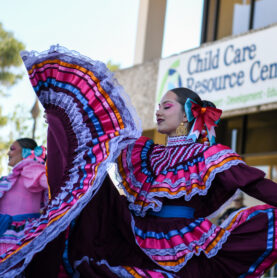
Latino Heritage Month is a time to reflect on the remarkable journey of the vibrant and diverse Latino community. This year’s theme, established by the National Council of Hispanic Employment Program Managers (CHEPM), is: “Unidos, Somos Más” – Together, We Are More.
Observed from سپتامبر 15th to اکتبر 15th, Latino Heritage Month provides an opportunity to recognize and celebrate the many contributions of Latinos to our communities, our country and our world. This year’s theme highlights the shared values, aspirations, and dreams that connect us. While our individual stories and cultural traditions may be different, our collective journey reminds us of the strength that comes from unity and solidarity.
The theme also invites us to recognize and appreciate the beauty in our differences. By embracing diverse perspectives, experiences, and traditions, we can build stronger communities and celebrate the many strengths that emerge when we come together.
Understanding the History Behind the Celebration
As we celebrate Latino Heritage Month, it is also important to understand the terminology and history behind the communities represented during this observance. “Latino” and “Hispanic” are terms that can encompass diverse groups of people, cultures, and experiences, and they are not interchangeable for everyone.
The term “Hispanic” is rooted in Hispania, the Latin name associated with the Iberian Peninsula and the origin of the name España (Spain). Today, the term is generally used in the United Stated to describe people who are from, or descended from people from, Spanish-speaking countries and cultures. It has also been used as a broader term to describe communities with historical connections to Spain and the Spanish-speaking world.
In the United Stated, the federal government began formally using the term “Hispanic” in the 1970s, and it was incorporated unto the U.S. Census beginning in 1980. The term is often used to describe people with roots in countries throughout Latin America and the Spanish-speaking Caribbean, including: Argentina, Bolivia, Chile, Columbia, Costa Rica, Cuba, Dominican Republic, Ecuador, El Salvador, Equatorial, Guinea, Guatemala, Honduras, Mexico, Nicaragua, Panama, Paraguay, Peru, Puerto Rico, Spain, Uruguay, and Venezuela.
“Latino/a” describes “people who are from or descended from people from Latin America” (Hispanic Network). “Latino” was not included on the US Census until 2000 (McConnell and Delgado-Romero 2004). Latin America includes: North and Central America, Belize, Costa Rica, El Salvador, Guatemala, Honduras, Mexico, Nicaragua, Panama, South America, Argentina, Bolivia, Brazil (They are considered Latino but not Hispanic because they speak Portuguese), Chile, Colombia, Ecuador, French, Guiana, Guyana, Paraguay, Peru,
Suriname, Uruguay, Venezuela, Caribbean, Countries, Cuba, Dominican Republic, Haiti, Dependencies and constituent entities, Guadeloupe, Martinique, Puerto Rice, Saint-Barthélémy, and Saint-Martin.
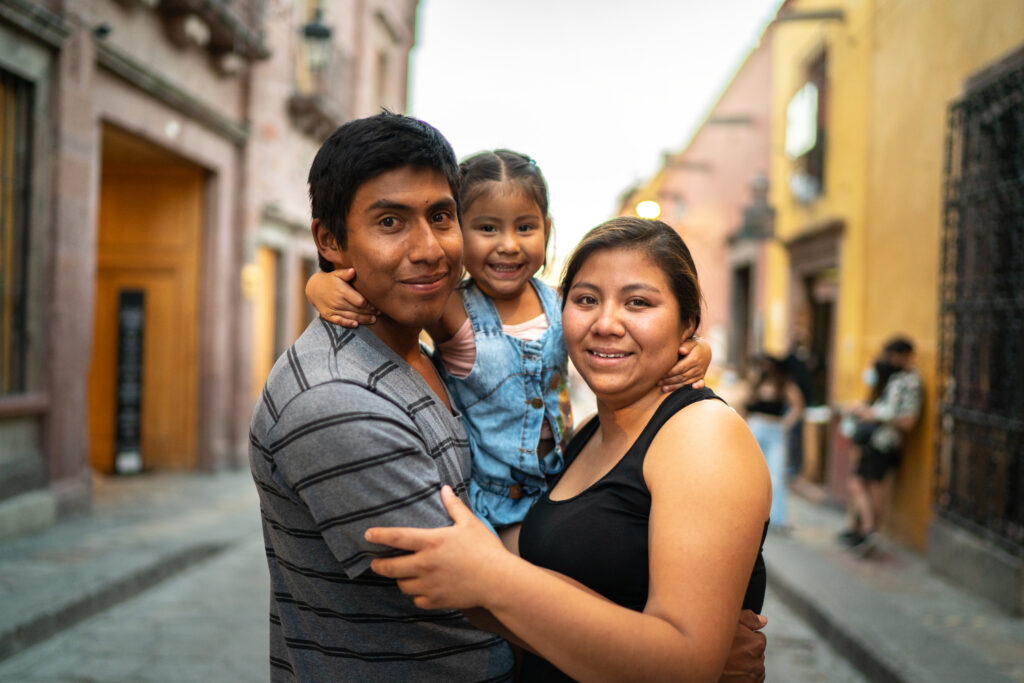
Understanding the history and diversity behind these terms helps us better appreciate the many cultures, traditions and experiences represented during Latino Heritage Month.
We invite you to explore the resources below, discover new perspectives, celebrate Latino heritage with your family and community, and continue embracing the spirit of “Unidos Somos Más” – Together, We Are More.
Educational Resources:
Books for adults:
Books for children:
Cultural Centers and Museums in Los Angeles:
Nonprofits
Professional Growth
Mental Health Resources
CCRC recognizes the achievements, contributions, and rich cultural heritage of the Latino community today and every day! We see you, we support you, and we want to see you thrive!