

As children grow, parents and caregivers naturally wonder whether their child is reaching important developmental milestones. One important part of supporting healthy development is understanding developmental screening and knowing when to seek additional support.
What is Developmental Screening?
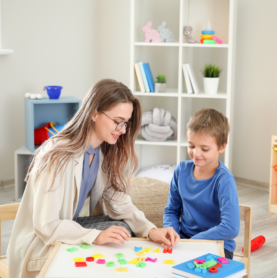
A developmental screening is a short, formal check of a young child’s development using a standardized, research-backed tool such as a questionnaire or checklist. Screening looks at areas including communication and language, movement and motor skills, problem-solving and thinking, behavior, and social-emotional development. Unlike casual observation, a screening is completed using a validated development screening test. Parents and caregivers often answer questions about what they see their child doing at home or in child care, sometimes with guidance from a health care or early childhood professional.
Developmental screening is not a diagnosis. A screening helps determine whether a child is developing as expected or whether a closer look may be helpful.
It is also significant to note that developmental screening is a normal and routine part of early childhood development. It is something every family can use to better understand a child’s growth – and not something parents need to fear.
Why Developmental Screening Matters
Not every developmental delay is easy to see. Some concerns may not become noticeable until a child reaches school age, while others can be identified much earlier through routine screening. Developmental monitoring and screening can help families and professionals identify concerns and connect children with appropriate support as early as possible. Learn more about the developmental monitoring and screening process from the Centers for Disease Control and Prevention (CDC) here.
Developmental disabilities are also common. According to the CDC, approximately 1 in 6 children ages 3-17 have one or more developmental disabilities. This is why developmental screening is recommended for all children – not only children who show signs of concern. Intervention is often more effective when it begins earlier. Early intervention can help children develop important skills, overcome challenges, and receive supports such as speech, physical, or other developmental therapies based on a child’s individual needs.

When Should Developmental Screening Happen?
The American Academy of Pediatrics recommends developmental and behavioral screening during regular well-child visits at:
- 9 months
- 18 months
- 30 months
Children should also receive autism-specific screening at 18 months and 24 months.
Common Developmental Screening Tools
Developmental screening tools are standardized questionnaires or checklists. Depending on the tool and the child’s age, screening may look at:
- Communication and language
- Gross and fine motor skills
- Problem-solving and thinking
- Social-emotional development
- Behavior and interactions
Many screening tools are completed by a parent or caregiver, often with guidance from a health care or early childhood professional. If you are interested in learning more about how standardized screening tests work, visit the MedlinePlus website.
Who Can Perform a Developmental Assessment?
Developmental screening is not limited to pediatricians. Depending on the setting and the screening tool being used, trained professionals in health care, early childhood education, community, and school settings can participate in developmental screening.
Early intervention professionals, early childhood educators, home visitors, parent educators, and child care providers can all play an important role in recognizing potential developmental concerns and connecting families with resources. They can pay attention to how a child plays, learns, speaks, acts, and moves, and address any concerns they may have accordingly.
Developmental monitoring should continue between formal screenings as well. Parents are especially important here because they know their children best. Their observations and questions can provide valuable information during the screening process. If they have concerns about their child’s development, they should share them with their child’s health care provider and inquire whether a developmental screening is appropriate.
How CCRC Supports Early Childhood Developmental Screening
Child Care Resource Center helps families understand child development and connect with resources at every stage. For instance, through CCRC’s Home Visiting program, eligible families can receive personalized support from trained educators and professionals. The program includes developmental screenings, parenting resources, and much more.
Learning about developmental milestones is an ongoing process. The following blogs on our website can help provide additional information and practical guidance:
Child care providers can also continue building their knowledge through our provider resources and trainings. And CCRC’s California Early Care and Edcation Workforce Registry also provides access to CCRC-sponsored trainings and professional development resources for eligible providers.
Additionally, CCRC can also help families explore child care options where children’s development can be supported through everyday play, learning, and relationships. Families can search for child care and explore available funded child care options. For families who qualify, CCRC provides access to child care financial assistance, helping make quality child care more affordable and accessible. Explore additional resources and family services available on our website.
Take the Next Step
Developmental screening is one of the many tools families and professionals can use to support healthy early childhood development. Whether a child is meeting milestones as expected or needs a closer look, screening can provide helpful information and open the door to additional support.