
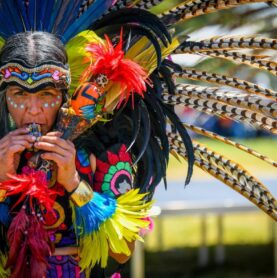
Every Noviembre, Native American Heritage Month offers an opportunity to honor the histories, cultures, traditions, and contributions of Native American and Indigenous peoples. It is a time to recognize the original inhabitants of the lands now known as the United States, celebrate the diversity of Indigenous communities, and deepen our understanding of their histories and experiences.
For parents, caregivers, child care providers, and educators, Native American Heritage Month is also an opportunity to introduce children to Indigenous histories, explore culturally meaningful stories and traditions, and encourage curiosity, respect and appreciation for different cultures.
Whether you are a parent looking for meaningful activities to do with your children or an educator seeking reliable learning materials, this blog discusses ways to learn about Native American Heritage month and celebrate throughout the year.
What is Native American Heritage Month?
Native American Heritage Month, also known as National American Indian Heritage Month, is observed every Noviembre in the United States. This special month recognizes the rich histories, diverse cultures, traditions, and contributions of American Indian and Alaska Native peoples.
The movement to establish a national observance developed over many decades. Indigenous advocates helped advance early efforts to recognize American Indian heritage. In 1990, President George H.W. Bush signed a joint resolution designating Noviembre as National American Indian Heritage Month. Similar national proclamations have followed in subsequent years.
Today, Native American Heritage Month provides an opportunity to learn about Indigenous histories, recognize Native leadership and achievements, and celebrate the many Indigenous communities whose cultures and traditions continue to thrive.
From storytelling and visual arts to music, dance, food, and language revitalizations, Indigenous cultures are diverse and continually evolving. Celebrating this diversity means recognizing individual Tribal Nations and communities rather than treating Indigenous cultures as interchangeable.
Why is Native American Heritage Month Important?
Recognizing Native American Heritage Month is about more than celebrating cultural traditions. It is also an opportunity to develop a fuller understanding of American history, acknowledge the experiences of Indigenous peoples, and recognize their continued presence and contributions.
Supporting Cultural Understanding in Childhood
According to the National Association for the Education of Young Children (NAEYC) – Understanding Anti-Bias Education, children begin learning about differences, identity, and community at an early age. Reading culturally diverse books, learning about different communities, and having age-appropriate conversations can help children develop curiosity, empathy, and respect. For parents, caregivers, and educators, Native American Heritage Month offers a starting point for meaningful learning that can continue through books, classroom activities, community events, and everyday conversations.
You do not need elaborate activities to make cultural learning meaningful. Small, thoughtful experiences can help children discover new perspectives and develop a greater appreciation for Indigenous cultures such as:
Reading books by Native American authors
Look for books written or illustrated by Native authors that reflect specific Tribal Nations, cultural traditions, community histories, and everyday experiences.
Exploring Indigenous art, music, and storytelling
Art, music, and storytelling can help children learn about different cultural expressions. Explore museums, recorded interviews, performances, and educational materials created by Indigenous artists and cultural organizations.
Learning about the Indigenous peoples of your local area
Learning about the Tribal Nations connected to the place where you live can make history more meaningful for children. In fact, California is home to many Native American Tribal Nations.
Encouraging questions and meaningful conversations
Children may have questions about cultural traditions or the differences they notice between communities. Answer honestly using language appropriate for their age and treat their questions as opportunities to learn together. Additionally, use trustworthy educational resources and avoid generalizations that suggest all Native American people share the same experiences or beliefs.
Continuing learning beyond Noviembre
Cultural understating grows through consistent learning rather than a single month of recognition. Making Indigenous perspectives part of ongoing learning helps children develop a broader understanding of history and the world around them.
Resources and Ways to Learn More
By exploring reliable resources, listening to Indigenous voices, and making cultural learning part of everyday life, each and every one of us can grow with a deeper appreciation for the diverse people and histories that make up our communities. The following resources offer meaningful ways to celebrate Native American heritage and recognize the diverse contributions of Indigenous communities, past and present:
National Museum of the American Indian
California Native American Heritage Commission
National Archives – Native American Heritage Month
Native Knowledge 360° – Educational Resources
Tother let’s take time to learn, listen and discover the rich diversity of Native American and Indigenous cultures!