

Why Early Childhood Professional Development Matters
Early childhood professional development (PD) is the intentional strengthening of educators’ skills, knowledge, and perspectives through facilitated learning experiences. The learning experiences can be in individual or group settings and may include a combination of mentoring or 1-on-1 coaching, virtual and in-person trainings, workshops, peer-to-peer support, higher education pathways like college credit, certifications, or degree advancement, and more. The most successful forms of PD are part of coordinated offerings built on professional standards like the California Early Childhood Education Competencies. These competencies are made of twelve areas of focus proven to enhance the skills and dispositions of early childhood educators, strengthen early learning environments, and generate high-quality outcomes. The CA Competencies include development, equity, relationship building, family engagement, observations and screening, special needs and inclusion, and more. At the root, professional development is the transfer of research-backed knowledge to the ECE workforce to build stronger classrooms and responsive curriculums that benefit children and families.
Why It Matters for Children, Families, and Educators
Improved Child Outcomes
Early childhood educators have the great responsibility of caring for vulnerable young children who are experiencing immense physical, cognitive, social/emotional, and speech and language development. Trained educators who can nurture and respond to these needs, foster learning opportunities, and connect with parents are setting their students up for lasting success. When young children have access to high quality early care and education, they are more likely to be prepared for school, graduate from high school, and have stronger long-term economic and health outcomes.
Career Growth and Confidence for Educators
The ECE field is full of opportunity, and investing in professional growth can open doors for advancement. For license-exempt providers, there is the chance to get their license and expand their small business. For providers who commit to higher education certifications and college credits, they can move to administrative positions that influence the culture and curriculum of large centers. And for those who love being in the classroom and choose to remain, they can watch their confidence expand with new, applicable tools gained from tailored trainings.
Stronger Relationships with Families
An important element of any program is family engagement, or the active encouragement of parents and caregivers to get involved in their child’s care environment. For providers, it can be helpful to participate in trainings that share engagement strategies like hosting family events and volunteer events. Cultivating communication skills for specific circumstances can also strengthen the connection with parents. Trainings that deal with how to talk to parents about a child’s development and potential delays, how to be culturally responsive, how to address conflict, and how to employ a trauma-informed approach are vital to building trust with parents and providing the best for each child.
Professional Development Activities
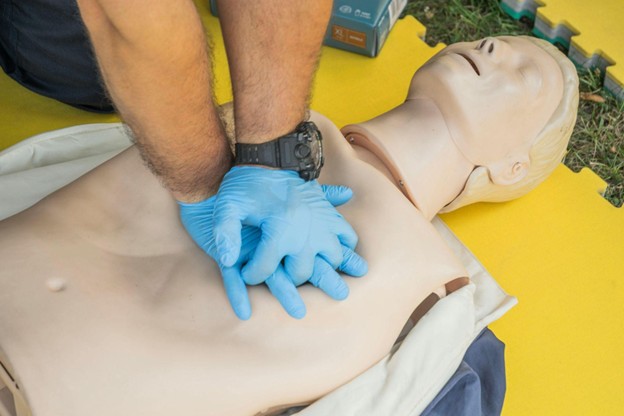
CPR & Preventive Health and Safety Training
Child care settings must have one person on-site at all times with proof of health and safety training. CCRC offers classes throughout the year to make sure providers can get their certification. The eight-hour, one-day Emergency Medical Services Authority (EMSA)-approved CPR and First Aid trainings take place in person at the various CCRC offices.
Trauma-Informed Care for Providers
The program is made of seven two-hour modules that start with child brain development and end with provider self-care. Topics include trauma’s impact on development, identifying trauma, responding to trauma, strengthening families, and stress-reduction strategies for providers.
Emergency Preparedness Training
Emergencies or disasters can happen at any time, and child care programs must be ready to respond. CCRC preparedness trainings include Preventative Health & Safety, Disaster Preparedness, Emergency Preparedness, and Trauma Informed training.
Online Learning Options
In addition to the specialized trainings mentioned above, CCRC offers free and accessible early childhood education online trainings. Each month’s options are designed to fit the schedules of very busy child care providers with the flexibility of learning from home via Zoom. The calendar is updated regularly with courses in English, Spanish, and other languages. The courses are under the umbrella of the CA ECE Competencies and speak to every aspect of life in the classroom, like Introduction to the Ages and Stages Questionnaire, Incorporating Montessori Philosophy, Father Engagement and so much more.
Track Your Professional Growth with the CCRC Pathway Program
With the Pathway to Professional Development track, providers in Los Angeles County are able to track their professional development in twelve focus areas. A pathway is complete when a provider attends at least two qualifying trainings in each focus area for a total of 48 hours. The hours are tracked through the CA ECE Workforce Registry, an online database that promotes and tracks professional development efforts for ECE providers. The registry is a wonderful and free tool to help providers find applicable courses and track their hours and progress through their personal accounts. Those who finish their hours are recognized at the annual Karen Kaye Award of Achievement Celebration.
Personalized Support Through Coaching and Consultation
CCRC offers various coaching programs for child care settings. Coaching and consultation services allow for tailored support and goal setting and can be virtual or in-person.
1-on-1 Coaching Programs
– Health and Safety Coaching are available to help providers meet the standards set by Community Care Licensing (CCL). Coaches work with each site to ensure screenings are in place, forms and certifications are up-to-date, potential hazards are identified and removed, and actionable plans are made.
– Family Child Care Home Education Network (FCCHEN) is a group of licensed family child care providers that offer subsidized child care for eligible families. Providers in the network have the help of an Early Childhood Coach who helps with program planning and onsite visits.
-Quality Start Programs in Los Angeles and San Bernardino are workforce development programs that give all child care environments – private, license-exempt, state schools, and alternative settings – personalized quality improvement plans, access to free trainings, and incentives.
Invest in Your Growth and the Children You Support
Professional development in early education is truly a win for all. It strengthens providers by giving them tested skills and tools to address every aspect of their classrooms and the children in them. Much can also be said for the confidence gained that comes from pouring into oneself and growing in expertise. PD is a win for the enrolled children too, who get to experience the highest quality learning and education with intentional curriculum, developmental support, and comprehensive care.
Take advantage of the multitude of options by signing up for one or more upcoming trainings, joining the Workforce Registry to help track your progress, and exploring the coaching and consultation services from CCRC.
For all CCRC trainings, email [email protected] or call 818-717-1042.
.