


As we approach Mental Health Awareness Month in May, it’s an important time to reflect on the emotional and behavioral well-being of children. Understanding children’s behavior problems begins with recognizing that occasional misbehavior is a normal part of development. As children grow, they test limits and learn how to regulate their emotions and actions. However, when certain behaviors become persistent, intense, or disruptive to daily life at home or in school, they may signal a need for closer attention and support.
This blog aims to help parents, caregivers, educators, and child care providers better understand these behaviors, distinguish between typical development challenges and more serious concerns, equip them with the knowledge to respond effectively, and connect with the right resources to support their well-being.
What Are Children’s Behavior Problems?
Children’s behavior problems refer to patterns of actions or reactions that are difficult, disruptive, or challenging for a child’s age and begin to interfere with daily life. These can include frequent tantrums, ongoing defiance, aggression toward others, consistently ignoring instructions, or withdrawing from social interaction. Recognizing the difference between typical developmental phases and more serious concerns is the first step in providing the right kind of support
Common Behavioral Disorders in Children
According to Parker Pediatrics and Adolescents, child behavioral issues can range from mild to severe and come in many forms. Some of the most common child behavioral issues include:
- Arguing with adults
- Not following instructions
- Disobeying rules
- Being disrespectful or rude to others
- Aggression
- Throwing tantrums
- Having frequent outbursts of anger
Additional research gathered by Parker Pediatrics and Adolescents indicates that child behavioral issues can have a range of causes, from medical to psychological and environmental:
- Physical Issues: Physical issues such as metabolic disorder, difficulty hearing or seeing due to an illness such as migraines or allergies, or hormonal imbalances caused by a thyroid condition.
- Psychological factors: Psychological factors such as trauma, depression, anxiety, and learning disabilities. Children are more vulnerable than adults to the effects of psychological distress, often manifesting behavioral issues as a result.
- Environmental Effects: Environmental factors such as stressful family dynamics, bullying at school, toxic home-life situations, or social disparities such as access to green space or healthier food options.
Remember to consider your child’s age when dealing with a behavior issue, as well as any other factors in their environment that may be contributing to it.
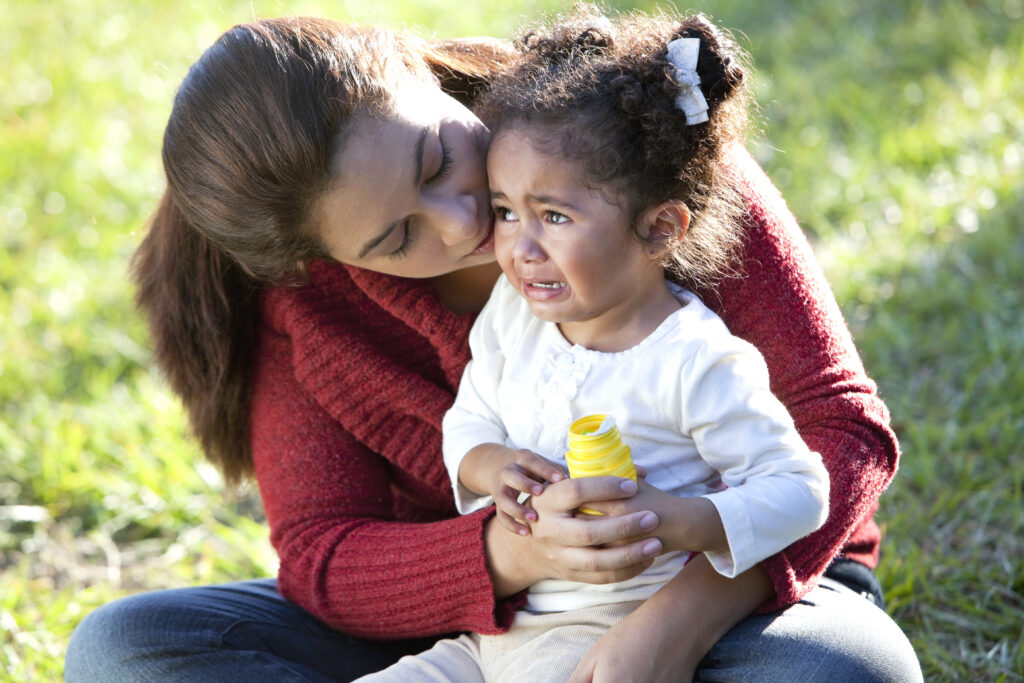
Some common conditions linked to persistent behavioral challenges include Attention-Deficit/Hyperactivity Disorder (ADHD), which involves difficulty paying attention, staying sill, or controlling impulses. Oppositional Defiant Disorder (ODD), characterized by frequent anger, defiance, and refusal to follow rules. Autism Spectrum Disorder (ASD) can affect communication, social interaction, and behavior. Anxiety disorders may also show up as irritability, avoidance, or withdrawal, while mood-related conditions can influence how a child expresses emotions and responds to everyday situations.
Anxiety and Depression
It’s normal for both children and young people to feel worried or anxious from time to time. But for some children and young people, anxiety affects their behavior and thoughts every day, interfering with their school, home, and social life. This is when you may need professional help to intervene. The National Health Service (NHS) provides signs and symptoms of anxiety for children and young people. Some of them are:
- Finding it hard to concentrate
- Not sleeping, or walking in the night with bad dreams
- Eating more or less than usual
- Quickly getting angry or irritable, and being out of control during outbursts
- Consistently worrying or having negative thoughts
When to Seek Help
Knowing when to seek help for childhood behavioral issues can be challenging, especially since many behaviors are part of normal development. However, it may be time to consult a professional if a child’s actions are persistent, intensifying, or interfering with daily life at home, school, or in social settings. Trust your instincts as a parent and caregiver – if something feels concerning or overwhelming, seek guidance from a pediatrician, school counselor, or child psychologist to provide clarity and support. Early intervention not only helps address current challenges but also equips children with healthier coping skills for the future.
It’s important to remember that a diagnosis is not a label or judgment – it’s a tool for understanding what a child is experiencing and how to best support them. With the right guidance and care, children can build skills, confidence, and healthier ways to cope with challenges.

Strategies to Support Children with Behavioral Challenges
Supporting children with behavioral challenges begins with recognizing that behavior is often a form of communication rather than simply something to correct. Instead of focusing solely on what a child is doing “wrong,” look for the underlying needs or emotions driving the behavior. Is the child overwhelmed, seeking attention, struggling to express feelings, or reacting to a change in routine? Approaching these moments with curiosity and empathy helps build trust and create opportunities for teaching rather than punishment. Simple, proactive strategies such as maintaining consistent routines, setting clear and predictable expectations, and offering choices can help children feel more secure and in control.
Above all, patience and compassion are key – meaningful change takes time, and when children feel understood, they are more likely to build the skills they need to thrive.
Positive Parenting Tools
Supporting children with behavioral challenges starts with creating a structured and predictable environment at home. Clear, consistent expectations – such as daily routines, visual schedules, and simple, calm reminders – help children understand what is expected of them. When transitions and rules are predictable, children are less likely to feel overwhelmed or act out.
Parents, caregivers, child care providers and educators can seek out additional tools and resources by attending local parenting workshops or webinars offered through CCRC. For instance, a recent child development training for parents in the Antelope Valley helped participants learn to address these behaviors and “FLIP IT.” This is an acronym for Feelings, Limits, Inquiries, and Prompts. The Center for Resilient Children explains each element, and the supportive strategies are proven ways to help young children in identifying their feelings, learning healthy self-control, and reducing those challenging behaviors.
How CCRC Supports Families and Providers
You are not alone on this journey! Raising children comes with challenges, and seeking support is a sign of strength, not failure. CCRC plays an important role in bridging the gap between families and professionals by offering both educational and emotional support. Families and providers can access workshops, one-on-one consultations, and practical resources that build confidence and provide them with tools to better support children’s development and well-being. Many of CCRC’s services are local, accessible, and often free, making it easier for families to get the help they need. From mental health consultants to parent trainings – be sure to visit our Event Calendar on our website for more details.
By empowering parents, caregivers, educators, and child care providers with knowledge, connection, and compassionate guidance, CCRC helps create stronger, more resilient families and communities!